
Choose a Spain Football Camp That Fits Your Child
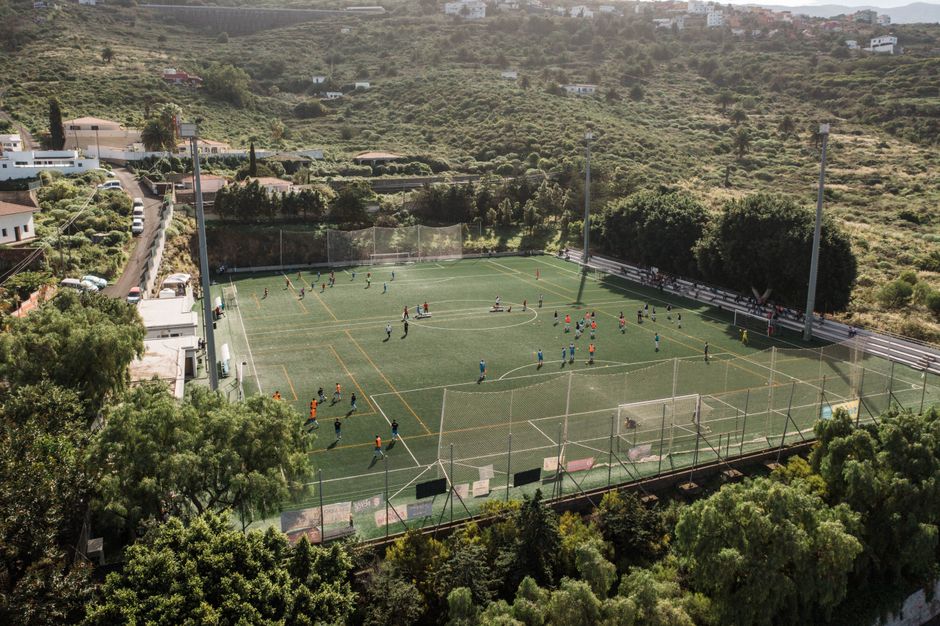
Choose a Spain football camp by matching its format and training to your child’s age, experience, and readiness to travel. Barça Academy describes both residential and non-residential options, with a three-week July program for ages 8–17; its FAQ says elite ability is not required. Compare group placement, coaching, supervision, and medical provision, then check travel documents and unaccompanied-minor arrangements before booking.
Do children need to be elite players to attend a football camp in Spain?
No. FC Barcelona’s Barça Academy Summer Camps FAQ says high-level playing ability is not required. It frames the camp around player development and intercultural exchange, so a family should not treat elite status as an entry condition for this program.
That does not mean every camp is suitable for every player. The Barça FAQ says participants are initially grouped by age, then coaches adjust placements during the first few days based on ability and coaching needs. Ask another provider how it handles players whose experience or pace differs from their initial group.
UEFA’s coach education resource, developed with iCoachKids, emphasizes child-centered coaching, inclusion across activity levels and motivations, and sessions suited to age and developmental stage. Use those principles to assess fit: ask how coaches adapt exercises, support children who are new to structured training, and keep more experienced players engaged.
Is a residential football camp in Spain suitable for a child traveling without parents?
A residential camp can suit a child traveling without parents when the provider’s supervision and arrival arrangements match the child’s needs. Barça Academy’s FAQ reports 24-hour video surveillance at its residence, age-based twin-room assignments, and staff who meet children under 13 traveling alone when the required airline airport-assistance service is booked.
The same FAQ says those children are escorted to the residence transfer. It also lists access to physiotherapists, nurses, a doctor, and an ambulance at the training facility. These details describe the Barça program; do not assume they apply to another provider or to a different camp year.
Ask for the current written plan. Confirm who supervises overnight, how staff handle illness or injury, which medical services are on site or nearby, and how the camp contacts parents. Ask how room assignments work and whether children can share with a known friend. Public data provided here does not specify staff-to-child coverage overnight, emergency response times, or the medical arrangements at other camps.
Travel rules need their own check. The Barça FAQ says children under 13 traveling alone must use the airline’s airport-assistance service. Airline policies can shape whether a child can travel alone, so confirm the booking and handover steps with the carrier as well as the camp.
How do I compare the training and supervision at Spanish football camps?
Compare the published schedule, coaching credentials, group placement, and supervision details side by side. Barça Academy’s “Why sign up?” page describes two practical on-field training sessions each day and specialist goalkeeper training for three quarters of the session; it says coaches are trained directly at FC Barcelona facilities and have experience with the club’s methodology.
The FAQ publishes a coach-to-player ratio of one coach for every 10–12 children. Treat that as a useful comparison point, not a universal standard. Ask each provider whether its ratio applies during all sessions, how it divides groups by age and ability, and what happens when a group’s needs change.
Duration changes the commitment. Barça Academy describes residential and non-residential options, while the La Masia Summer Camp is presented as a three-week July program for boys and girls aged 8–17. Its page also says the final program is not available for the year described there, so current dates, inclusions, and prices are not published in the supplied information.
Use this source-based comparison to separate known details from unanswered questions. “Not published” means the provided source does not state the detail; it is not a price estimate or a claim that the provider has no such information.
| Option | Who it suits | Cost | Key limitation |
|---|---|---|---|
| Barça Academy residential camp | Participants in a residential option; the La Masia program is described for ages 8–17 | not published | Final program for the year described on the page is not available |
| Barça Academy non-residential camp | Participants in a non-residential option; specific eligibility details not published | not published | Final program for the year described on the page is not available |
| Other Spanish football camps | Age and skill criteria not published in the sources provided | not published | Training, supervision, and program terms not published in the sources provided |
A parent’s practical check
Before committing, get written answers about accommodation, supervision, medical care, daily training, group changes, and what the fee includes. Confirm the current schedule and whether the program is residential or day-based. The source pages do not provide prices, current-year dates, or a complete list of inclusions, so those points need direct confirmation.
For international travel, Spain’s consular guidance says short-stay travelers may need a valid passport, a visa depending on nationality, proof of the purpose and conditions of the visit, and evidence of sufficient financial means. A third-country national’s passport generally must remain valid for at least three months after planned departure from the Schengen area and have been issued within the previous ten years. Round-trip tickets and accommodation or enrollment documents may be requested.
The Spanish Ministry of Foreign Affairs says visa-exempt travelers can visit the Schengen area for up to 90 days in any 180-day period, subject to entry conditions. Its Schengen visa guidance covers eligible short stays, including training placements under three months. For a minor’s visa application, it lists a birth certificate and, when the child travels unaccompanied, notarized parental permission naming the responsible adult in Spain. Visa applicants also need travel medical insurance covering emergency healthcare, hospital treatment, and repatriation, with minimum coverage of €30,000. A visa does not by itself guarantee entry.
Frequently Asked Questions
What age groups and skill levels do Spain football camps accept?
Barça Academy describes its La Masia Summer Camp as a three-week July program for boys and girls aged 8–17. Its FAQ says high-level playing ability is not required; other camps’ age and skill criteria are not covered by the sources here.
What travel documents and arrangements should an international family check?
Check whether the child needs a visa, that the passport meets Spain’s validity rules, and that the family can show trip purpose, accommodation or enrollment, and return travel details if requested. For a minor applying for a Schengen visa, consular guidance lists a birth certificate and notarized parental permission naming the responsible adult in Spain when the child travels unaccompanied; children under 13 traveling alone to the Barça camp must have airline airport assistance booked.
A camp choice is sound when the training fits the child and the travel and supervision plan is clear. Published details can guide the comparison; current dates, fees, and arrangements still need confirmation with the provider.
Sources
Keep reading

Can I Transfer or Resell FIFA World Cup Tickets, and What Fees Apply?
How FIFA ticket transfer differs from resale, the 15% marketplace fee, eligibility limits, seller payments, and ways to troubleshoot common problems.
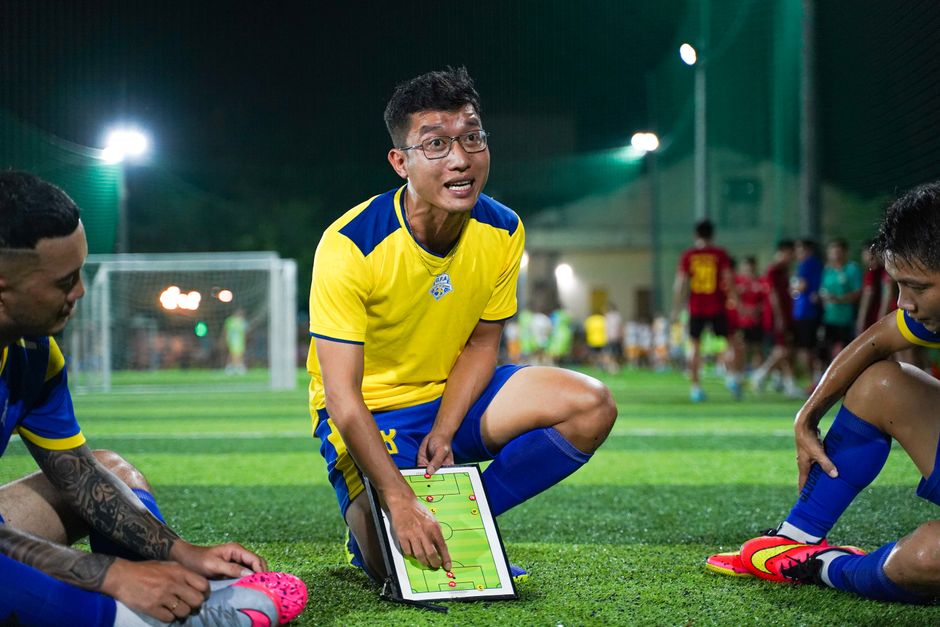
How Do I Plan Football Sessions for a Mixed-Ability Youth Team With Little Time?
A practical structure for planning mixed-ability youth football sessions, adapting one drill and making the most of small-sided games and limited equipment.